


Infant Teething Age Timeline: What Parents Need to Know
TL;DR:
- Most infants begin teething between 4 and 8 months, with the full set of 20 primary teeth completing by age 3.
- Signs include drooling, gum swelling, and increased chewing, typically lasting short active phases.
The teething age timeline in infants defines when and in what order baby teeth emerge, marking key developmental stages every caregiver should recognize. Most babies begin teething between 4 and 8 months, though teeth can emerge as early as 3 months or as late as 12 months and beyond. By around age 3, the full set of 20 primary teeth is typically complete. Knowing this infant teething schedule helps you stay ahead of symptoms, respond with confidence, and avoid the anxiety that comes from not knowing what’s normal.
What is the typical infant teething schedule?
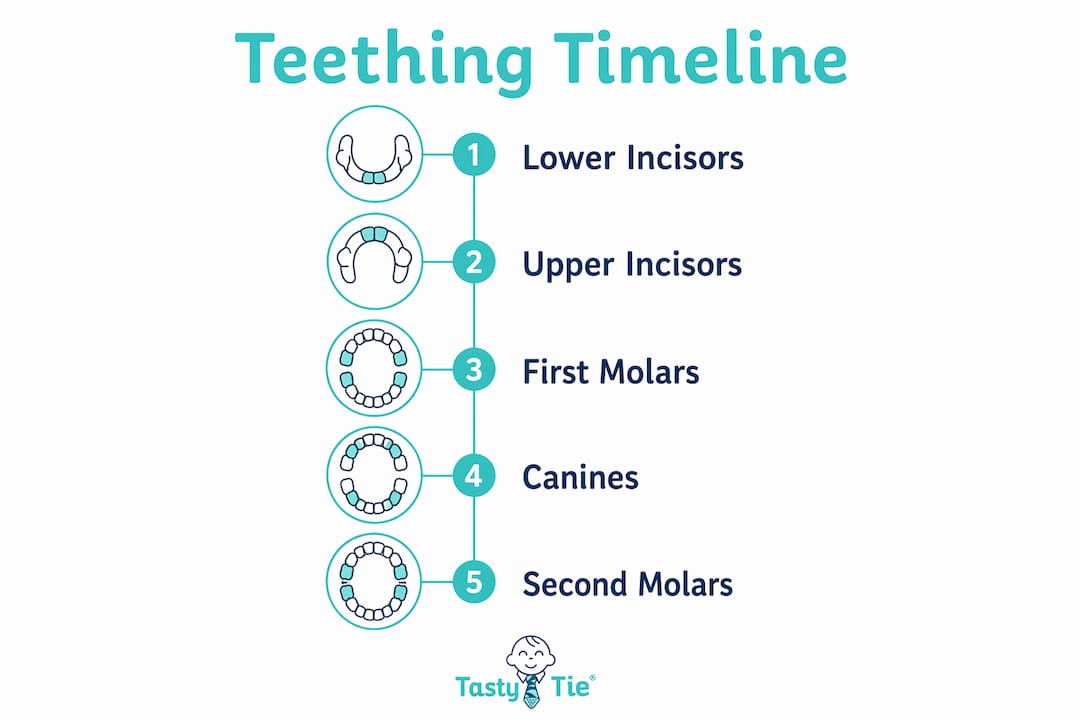
The infant teething schedule follows a fairly predictable sequence, though the exact timing varies from baby to baby. Lower front teeth erupt first, typically between 4 and 8 months, followed by the upper front teeth between 8 and 12 months. Lateral incisors, canines, and molars fill in progressively through the toddler years. Think of the chart below as a flexible guide, not a strict milestone checklist.
| Tooth Type | Common Name | Typical Eruption Age |
|---|---|---|
| Lower central incisors | Bottom front teeth | 4–8 months |
| Upper central incisors | Top front teeth | 8–12 months |
| Upper lateral incisors | Top side teeth | 9–13 months |
| Lower lateral incisors | Bottom side teeth | 10–16 months |
| First molars | Back chewing teeth | 13–19 months |
| Upper and lower canines | Eye teeth | 16–23 months |
| Second molars | Rear back teeth | 23–33 months |
The second molars at 23 to 33 months are often the most uncomfortable phase because of their larger surface area breaking through the gum. That detail surprises many parents who assume teething is mostly a first-year challenge. The teething timeline for toddlers extends well past infancy, and the final stretch deserves just as much preparation as the first tooth.
Pro Tip: Screenshot or print this table and keep it on your fridge. When your baby gets fussy, a quick glance at the chart helps you connect behavior to biology instead of guessing.

What are the signs and symptoms of teething at each stage?
Teething signs in babies are real but often overstated. The core symptoms are mild and localized. Here is what you can realistically expect at each stage:
- Drooling: Increases noticeably as early as 3 to 4 months, even before the first tooth appears.
- Gum swelling and sensitivity: The gum tissue directly over an erupting tooth becomes red and tender.
- Increased chewing: Babies press objects against their gums to counter the pressure of an emerging tooth.
- Mild fussiness: Irritability is common but should not be severe or prolonged.
- Slight sleep disruption: Some babies wake more often during active eruption periods.
Each tooth’s active eruption period lasts roughly 3 to 8 days. That means discomfort comes in short waves rather than weeks of continuous misery. This is genuinely reassuring once you understand the pattern.
One of the most persistent myths in parenting is that teething causes high fever, vomiting, or diarrhea. Teething does not cause high fever. The Cleveland Clinic sets the concern threshold at 100.4°F (38°C). If your baby crosses that line, look for another cause. The reason this myth persists is timing. Teething coincides with fading maternal passive immunity, so minor infections naturally overlap with teething periods, making it easy to blame the wrong culprit. Recognizing this distinction protects your baby from delayed care when something more serious is actually happening.
Pro Tip: Keep a simple log of your baby’s temperature and symptoms during fussy periods. If fever stays below 100.4°F and clears within a day or two, teething is a likely contributor. Anything higher or longer deserves a call to your pediatrician.
How does biological variation affect the teething age range?
The teething age range is wider than most parents expect, and that width is completely normal. Eruption order and timing vary widely without indicating any developmental problem. Here is a practical breakdown of what falls within normal limits:
- Early teething: Some babies cut their first tooth as early as 3 months. This is uncommon but not a concern.
- Late teething: Teeth arriving after 12 months are also within the normal range. If no teeth have appeared by 18 months, a pediatric dentist visit is worth scheduling.
- Out-of-order eruption: A lateral incisor appearing before a central incisor, for example, is unusual but rarely significant.
- Lingually positioned incisors: Lower incisors that erupt behind existing teeth are common and usually self-correct as the jaw grows. No intervention is needed in most cases.
The American Academy of Pediatric Dentistry recommends a first dental visit within 6 months of the first tooth erupting, or by age 12 months at the latest. This visit is less about treatment and more about establishing a baseline and giving you a professional to call when questions come up. Many parents skip this step and end up anxious about variations that a dentist would immediately recognize as normal.
How can parents manage teething discomfort throughout the timeline?
Managing teething discomfort does not require a medicine cabinet. Cold teething toys and gentle gum massage are the most recommended non-pharmacological methods, and they work well for most babies. Here is a practical approach organized by what to do and when:
- Use a cold (not frozen) teether. A frozen teether is too hard and can damage tender gum tissue. Chilled is the goal. Silicone and organic cotton options both work well.
- Massage the gums. A clean finger pressed gently against the eruption site for 1 to 2 minutes provides counter-pressure that many babies find soothing.
- Offer a clip-on teether for on-the-go relief. Dropped teethers are a constant frustration. A teether that clips directly to clothing stays accessible and stays clean. You can read more about teething relief options for babies 3 to 12 months to compare what works at each stage.
- Avoid benzocaine gels. The FDA has warned against using benzocaine products in children under 2. Stick to physical comfort methods unless your pediatrician specifically recommends otherwise.
- Start oral hygiene early. As soon as the first tooth appears, wipe it with a soft, damp cloth after feedings. A small, soft-bristled toothbrush can replace the cloth once your baby tolerates it.
- Build a soothing routine. Extra cuddle time, a warm bath before bed, and consistent nap schedules reduce the overall stress load during active teething periods.
Understanding what milestones trigger the teething phase helps you anticipate these windows and prepare before the fussiness starts, rather than scrambling in the middle of it.
What I’ve learned from watching thousands of parents navigate teething
The biggest mistake I see is treating the teething timeline as a strict schedule instead of a range. Parents panic when their 10-month-old has no teeth yet, or when a tooth appears in an unexpected spot. The chart is a guide, not a deadline. Every baby I have seen come through this phase eventually gets all 20 teeth, regardless of when the first one showed up.
The second thing I have noticed is that parents consistently underestimate the second molar phase. By that point, many families have relaxed their teething routines because the early months feel like the hard part. But those large back teeth breaking through at 23 to 33 months can be genuinely uncomfortable, and toddlers are not always able to communicate what they are feeling. Staying prepared through the full teething timeline for toddlers matters as much as the first-year prep.
My honest opinion is that the best teething tools are the ones that work with your baby’s natural instinct to chew and self-soothe, without requiring you to constantly intervene. Products that clip on, stay clean, and let babies comfort themselves independently make a real difference in daily life. The goal is not to eliminate teething. It is to make the process manageable for both of you.
— Tasty
Meet the teether that works as hard as you do
When you are looking for a teething solution that fits the full infant teething schedule, Tastytie delivers something no other product on the market does. The Tastytie teething tie clips directly to your baby boy’s outfit, so it never hits the floor, never gets lost in the diaper bag, and never needs to be sterilized after every use. It is made from organic cotton, absorbs drool, and entertains with a crinkle sound that keeps babies engaged between feedings and naps. With over 35,000 units sold and a 4.7-star rating across more than 450 Amazon reviews, it is a product parents return to across every stage of the teething age range. See the full teething tie toy and find the right fit for your little one today.
FAQ
When do infants typically start teething?
Most infants begin teething between 4 and 8 months, though teeth can appear as early as 3 months or as late as 12 months and still fall within the normal range.
How long does teething last from start to finish?
The full teething process lasts from the first tooth around 4 to 8 months through the second molars at 23 to 33 months, completing the set of 20 primary teeth by approximately age 3.
Does teething cause fever or diarrhea?
Teething does not cause high fever, vomiting, or diarrhea. A temperature at or above 100.4°F (38°C) signals a separate issue and warrants a call to your pediatrician.
What is the safest way to relieve teething discomfort?
Cold (not frozen) teething toys and gentle gum massage are the safest and most recommended methods. Avoid benzocaine gels in children under 2, as the FDA advises against their use in infants.
When should I take my baby to the dentist for teething?
The American Academy of Pediatric Dentistry recommends scheduling the first dental visit within 6 months of the first tooth erupting, or by 12 months of age at the latest.

