


What Milestones Trigger the Teething Phase in Babies
TL;DR:
- Teething is a gradual process tied to developmental milestones, often beginning between 4 and 7 months. Recognizing early signs like drooling, chewing, and gum swelling helps parents respond effectively and reduces anxiety. Serious symptoms such as high fever or diarrhea are not caused by teething and should prompt medical evaluation.
Most new parents expect teething to arrive like a switch flipping. One day your baby is fine, the next a tooth pops through. The reality is that understanding what milestones trigger teething phase signs helps you prepare weeks before that first tooth ever breaks the gum. Teething is a gradual process tied to specific child development milestones, and the behavioral cues your baby shows are just as meaningful as the teeth themselves. The earlier you recognize these signs, the less anxious you will feel and the better you can respond.
Table of Contents
- What milestones trigger the teething phase
- Early signs the teething phase has begun
- Teething myths versus real warning signs
- How to soothe teething pain once milestones appear
- My honest take on surviving the teething phase
- Gear up before the teething phase starts
- FAQ
What milestones trigger the teething phase
The short answer is that no single moment triggers it. Teething is a gradual process where teeth move through bone and gum tissue for weeks before they ever surface. Parents often look for one clear signal, but the teething phase is actually a continuum of developmental changes happening beneath the surface.
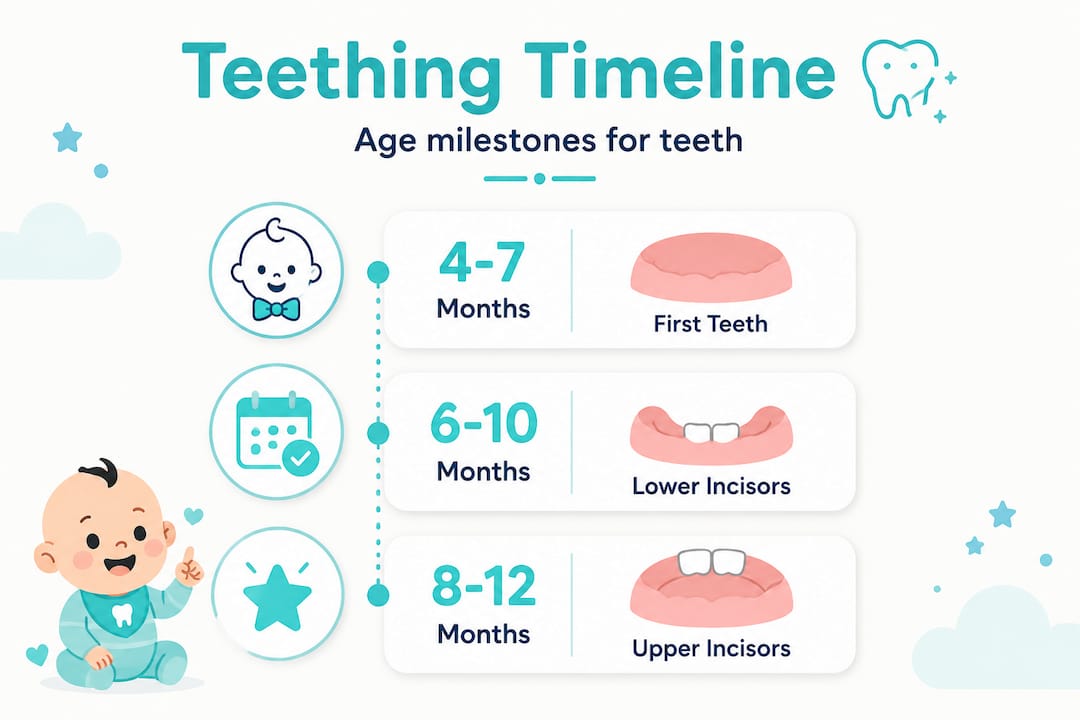
When it comes to the teething timeline for infants, most babies begin teething between 4 and 7 months, with the average starting age around 6 months. That said, anywhere from 3 to 14 months is considered normal, and a full set of 20 primary teeth usually completes by age 3. Individual variation is wide. Some babies get their first tooth at 3 months while others do not see one until nearly their first birthday.

The eruption order does follow a fairly predictable sequence, even if timing varies. Here is what most parents can expect:
| Tooth Type | Typical Age Range |
|---|---|
| Lower central incisors | 6 to 10 months |
| Upper central incisors | 8 to 12 months |
| Upper lateral incisors | 9 to 13 months |
| Lower lateral incisors | 10 to 16 months |
| First molars | 13 to 19 months |
| Canines (cuspids) | 16 to 23 months |
| Second molars | 23 to 33 months |
Delayed teething beyond 15 months is uncommon but usually not concerning unless paired with other developmental delays. At that point, a quick chat with your pediatrician is a smart move.
Early signs the teething phase has begun
Here is something many parents do not realize: the behavioral and physical signs of teething often appear weeks before you see anything in your baby’s mouth. Increased drooling combined with frequent chewing is typically the earliest and most reliable signal. These are not random behaviors. They reflect real oral sensory and motor development happening beneath the gumline.
Watch for this cluster of signs together rather than waiting for one definitive moment:
- Excessive drooling that soaks bibs and onesies, sometimes starting as early as 3 months
- Constant chewing on fingers, toys, clothing, or anything within reach
- Swollen or puffy gums that look redder than usual along the ridge
- Mild fussiness, especially in the late afternoon or evening
- Disrupted sleep, not severe, but noticeable changes in your baby’s usual pattern
- Reduced appetite as gum soreness makes nursing or bottle feeding less comfortable
These signs reflect teething and developmental stages overlapping. At around 4 to 6 months, babies are also hitting motor milestones like bringing hands to their mouth and grasping objects, which naturally amplifies chewing behavior. The key is the combination: chewing plus drooling plus mild irritability together paint a clearer picture than any single symptom alone.
Pro Tip: If your baby is fussy and drooling heavily but you are not sure whether it is teething or just a developmental phase, gently press a clean finger on their lower gum ridge. If you feel resistance or swelling, teething is likely underway.
Teething myths versus real warning signs
This is where caregiver anxiety tends to spike, and understandably so. Fever, runny nose, diarrhea. These symptoms often appear right around the same time as teething, and many parents assume teething caused them. Teething does not cause high fever, diarrhea, or severe illness. Those symptoms point to something else, usually a virus or infection.
One reason for the confusion is timing. Babies lose temporary immunity around 6 months, right when teething often begins. So illness and teething can coincide without being related. Attributing serious symptoms to teething can delay treatment, which is why professional guidance consistently discourages the habit.
The “7-4 rule” is a useful guideline suggesting that some children get their first four teeth around 7 months, with new teeth erupting roughly every 4 months after that. Think of it as a general framework, not a strict schedule.
Here is a quick reference to help you tell the difference:
| Typical teething symptoms | Seek medical attention if you see |
|---|---|
| Low-grade temperature below 101°F | Fever above 101°F |
| Mild fussiness and irritability | Inconsolable crying lasting hours |
| Increased drooling | Difficulty breathing or swallowing |
| Chewing and gum rubbing | Rash spreading beyond the chin area |
| Slightly disrupted sleep | Vomiting or persistent diarrhea |
When you see anything in that second column, call your pediatrician. Teething is uncomfortable, but it does not make babies seriously ill.
How to soothe teething pain once milestones appear
Once you have identified the signs, you can move from worry to action. Knowing how to soothe teething pain effectively makes a real difference for both baby and caregiver. The good news is that most relief strategies are simple and safe.
- Chilled (not frozen) teething rings reduce gum inflammation without the risk of frostbite that frozen items can cause
- Gentle gum massage with a clean finger provides counter-pressure that many babies find immediately calming
- Drool-absorbing accessories like soft organic cotton teething ties keep baby’s chest dry and give them something safe to chew
- Distraction and movement often work as well as any physical remedy. A walk, a song, or new visual stimulation can break the discomfort cycle
Safe teething products like teething rings and specially designed wearable teethers support self-soothing behaviors, which is a genuine developmental win. When a baby can reach for and mouth their own teether independently, they are also building fine motor skills and hand-to-mouth coordination. Soothing and development happen at the same time.
The American Academy of Pediatric Dentistry recommends scheduling your baby’s first dental visit by their first birthday, or within six months after the first tooth erupts. That appointment is low-key, usually about 30 minutes, and mostly a check-in on healthy development. Book it early so it is on your calendar before the chaos of that first year sneaks past you.
Pro Tip: When choosing a clip-on teether, check that the clip has no small parts that can detach and that the chewing surface is free of BPA and phthalates. You can learn more about attaching teether clips safely to baby outfits if you want to make sure you are doing it right.
My honest take on surviving the teething phase
I have seen a lot of parents come to teething with a mix of dread and guesswork. In my experience, the anxiety almost always comes from not knowing what to look for. Once you understand that the phase starts weeks before a tooth appears, and that symptoms should be observed as a combination rather than single events, the whole thing feels much more manageable.
What changed my own approach was accepting that mild fussiness and drooling were useful information, not emergencies. I stopped second-guessing every grumpy afternoon and started treating those signs as cues to offer a teether, a gum massage, or some extra cuddles. That shift from reactive to prepared made a big difference.
The hardest part is resisting the urge to blame teething for everything. A baby with a fever above 101°F needs a doctor, not a teething ring. Trusting your pediatrician and staying grounded in what teething actually causes keeps you from both overreacting and underreacting. Stay calm, stay observant, and trust that this phase passes.
— Tasty
Gear up before the teething phase starts
You do not have to wait until your baby is gnawing on your shoulder to get prepared. Tastytie’s patented award-winning teething tie was designed for exactly this window: baby boys aged 3 to 12 months, right when those first milestones signal the teething phase is beginning. Made from organic cotton, it absorbs drool, clips directly onto outfits so it never hits the floor, and includes a crinkle feature that keeps babies entertained and self-soothing independently. With over 35,000 units sold and a 4.7-star rating, it is one of the most loved and practical items you can have ready when those early signs appear. It also makes a genuinely thoughtful gift for any new parent preparing for this stage. Browse the full teething tie collection and find the right fit for your little one.
FAQ
When do babies typically start teething?
Most babies begin teething between 4 and 7 months, with 6 months being the average. Anywhere from 3 to 14 months is considered within the normal range.
What are the first teething signs in babies?
The earliest signs are increased drooling and frequent chewing, which can begin weeks before a tooth breaks through the gum. Swollen gums and mild fussiness often follow shortly after.
Can teething cause fever or diarrhea?
No. Teething does not cause high fever, diarrhea, or runny nose. Any fever above 101°F or severe symptoms should be evaluated by a pediatrician since they indicate illness, not teething.
What is the 7-4 rule for teething?
The 7-4 rule suggests that some children get their first four teeth around 7 months, with new teeth erupting roughly every 4 months afterward. It is a general guideline, not a strict rule.
When should I schedule my baby’s first dental visit?
The American Academy of Pediatric Dentistry recommends the first dental visit by your baby’s first birthday, or within six months after the first tooth appears. Early visits help catch any developmental concerns before they become bigger issues.

