


Preparing Baby Boy Outfits for Teething: A Parent's Guide
TL;DR:
- Preparing a practical teething wardrobe involves choosing soft, breathable fabrics like organic cotton and jersey knit to handle constant drooling and skin sensitivities.
- Using easy-open snap-front bodysuits, layered clothing, and waterproof bibs helps manage frequent outfit changes and keeps the baby comfortable and dry.
Teething sneaks up on you. One morning your baby boy is his usual cheerful self, and by afternoon his shirt is soaked through and he’s gnawing on your shoulder. Preparing baby boy outfits for teething isn’t something most new parents think about until they’re already elbow-deep in wet onesies. But getting it right makes a real difference: fewer wardrobe changes, less skin irritation, and a happier baby. This guide walks you through exactly what to look for, what to skip, and how to build a teething wardrobe that works as hard as you do.
Table of Contents
- How teething symptoms shape what your baby wears
- Choosing the best fabrics and styles for teething baby boys
- Managing drool and skin protection with the right accessories
- How to safely add teething accessories to baby boy outfits
- Making outfit changes faster and less stressful
- My honest take on dressing a teething baby
- The TastyTie solution for teething baby outfits
- FAQ
How teething symptoms shape what your baby wears
Most parents think teething is about sore gums. It is. But the outfit consequence they don’t anticipate is the drool. Babies typically start teething between 4 and 7 months old, and significant drooling can begin days before you ever see a tooth. That head start on wet clothes catches a lot of caregivers off guard.
Here’s what you can expect during active teething phases:
- Constant drooling. This is the biggest clothing challenge. Saliva soaks through thin fabrics fast, leading to cold, wet skin that irritates and causes fussiness.
- Gum rubbing and chewing. Babies will chew on anything within reach: collar edges, sleeves, and any fabric they can get their mouth around.
- Mild fever under 100.4°F. Some babies run slightly warm during teething, which means breathable fabrics are non-negotiable.
- Skin sensitivity. Prolonged moisture against skin causes drool rash, a red, chapped irritation around the chin, neck, and chest that can make tight necklines painful.
- Increased fussiness. A baby who feels uncomfortable in their clothes will compound the misery of sore gums. Comfort in clothing is not a luxury here.
Understanding these signs upfront changes how you think about teething baby boy clothes. You stop shopping for what looks cute on a hanger and start thinking about what holds up through a wet, cranky Tuesday afternoon.
Choosing the best fabrics and styles for teething baby boys
Fabric choice matters more during teething than at almost any other stage. The best outfits for teething prioritize softness, breathability, and absorbency without being so heavy that they stay damp for hours.
What fabrics work best:
- Organic cotton. Soft against sensitive skin, breathable, and machine washable. It absorbs drool without feeling clammy after moisture sets in.
- Muslin cotton. Lightweight and gets softer with every wash. Great for warmer months or layering.
- Jersey knit. Stretchy enough to slip over baby’s head without a fight, and gentle on irritated skin.
- Avoid: Synthetic blends, rough textures like denim on the collar, or anything with scratchy embellishments near the neck and chest.
Styles that make your life easier:
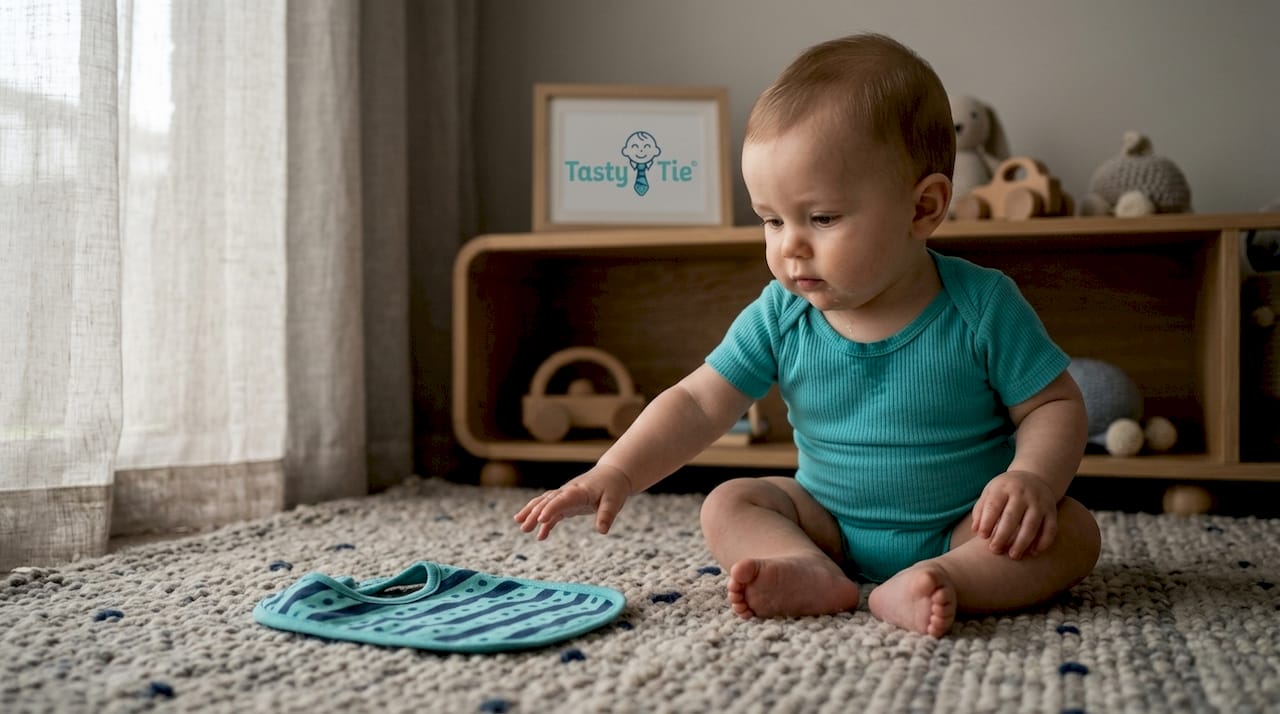
Snap-front bodysuits are your best friend. They open from the bottom for diaper changes and pull over the head with a wide, stretchy neck opening. Side-snap tops eliminate the neck-over-head struggle entirely, which matters a lot when your baby is cranky and resistant. Loose, relaxed fits allow air circulation and reduce rubbing against irritated skin.
Pro Tip: Buy onesies one size up during peak teething months. The wider neckline makes dressing faster and reduces friction on tender neck skin.
Layering is also a smart move. A thin cotton undershirt under a snap bodysuit lets you swap the top layer when it gets soaked without fully undressing your baby. Think of it as teething baby boy fashion tips in action: style on the outside, practicality underneath.
Managing drool and skin protection with the right accessories
Drool is unavoidable. Managing it well is the actual skill. Soft bibs keep skin dry and protect clothing from soaking through, making them less about mealtimes and more about all-day skin protection during teething.
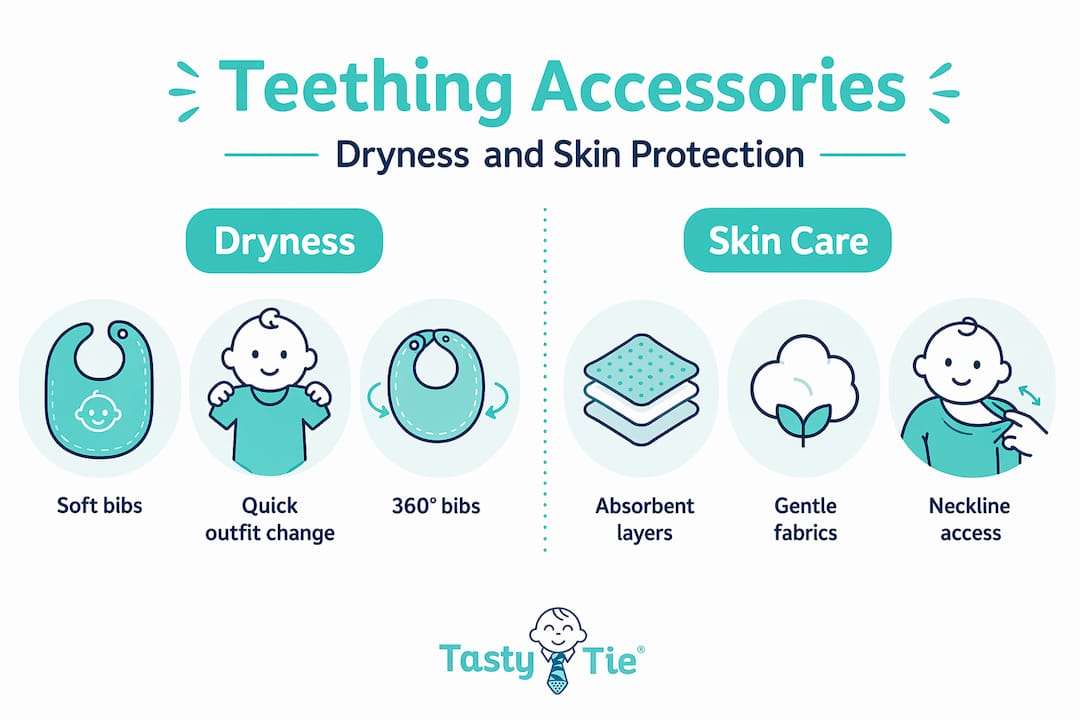
Here is a comparison of bib types worth considering:
| Bib type | Best for | Key feature |
|---|---|---|
| Flat cotton bib | Everyday drool management | Soft, absorbent, machine washable |
| Waterproof-backed bib | Heavy droolers | TPU layer prevents saturation through to clothes |
| 360° rotatable bib | Extended wear between washes | Rotates for more dry surface area, reducing outfit changes |
| Bandana bib | Style + function | Lies flat on chest, absorbs well, looks intentional with outfits |
A 360° waterproof-layered bib is genuinely one of the most practical baby outfits for sensitive skin solutions you can add to your rotation. By rotating the bib instead of removing it, you extend the dry surface available without a full swap.
Pro Tip: Keep three to four bibs in rotation per day during heavy teething phases. Wash them all at once at night so you always have a fresh supply.
Outfit design matters here too. Tops with accessible necklines and open fronts let you wipe baby’s chin and chest quickly without undressing him. Shirts that button down the front, or wide-neck pullovers, give you easy access for a quick cleanup without triggering a full meltdown.
How to safely add teething accessories to baby boy outfits
This is where a lot of well-meaning parents make a costly mistake. Teething jewelry poses choking and strangulation hazards and is not recommended by safety experts. No amber necklace, silicone bead bracelet, or accessory worn around the neck or wrist is safe for an unsupervised infant. Full stop.
The good news is that safer options exist, and some of them are genuinely stylish. Here’s what works when incorporating teething accessories into baby boy teething wear:
- Clip-on teething toys. These attach directly to clothing and stay within reach without dangling around the neck. Learn more about attaching teether clips safely to avoid common mistakes.
- Teething ties. Designed to look like a miniature tie, these clip to a bodysuit and give baby a safe, wearable chewing surface right at chest level. They absorb drool, provide sensory stimulation, and stay off the floor.
- Soft, fabric-based teethers. Made from organic cotton or food-grade silicone, these are safe to chew and easy to keep clean.
- Chilled teethers (not frozen). Refrigerated teething toys soothe tender gums effectively. Frozen items are too harsh and can injure soft gum tissue.
The real advantage of clip-on teething accessories is that they integrate directly with the outfit. Your baby can self-soothe with a teether independently, and you aren’t constantly rescuing a dropped toy from the floor. For caregivers who are out and about, that convenience is significant.
Making outfit changes faster and less stressful
Frequent changes are part of teething life. The goal is making each one as quick and calm as possible. Outfits with easy-open snaps and stretchy necklines are the most caregiver-friendly options available.
Here’s a practical routine that helps:
- Start with a snap-front bodysuit as the base. These open from the bottom without requiring anything to go over the head, making diaper changes and bottom-half swaps fast.
- Add a second layer on top. A loose short-sleeve shirt or soft cardigan gives you something to swap if the top half gets wet, without disturbing the base.
- Clip on a teething tie or bib at the start of the day. This is your drool defense. It keeps the underlying clothes cleaner longer.
- For naps, use a sleep sack with a firm snap closure. Breathable fabric, no loose parts to chew, and warmth regulation without blankets.
- Keep a spare outfit within reach always. A small zip pouch in the diaper bag with one bodysuit and one bib means you are never caught out at a coffee shop or appointment.
Nighttime comfort for teething babies calls for slightly heavier organic cotton sleepers that feel warm and snug without being tight. Avoid anything with a collar that presses against the neck or chin, where drool rash tends to develop overnight.
My honest take on dressing a teething baby
I’ll be straightforward: when I first started thinking about how to dress teething babies well, I overestimated style and underestimated logistics. The truth is that the cutest outfits I ever put together for a teething boy were useless by noon because they weren’t built for the reality of the day.
What actually changed my thinking was the clip-on teething tie. It sounds like a small thing, but integrating a teething accessory directly into the outfit solved three problems at once: it gave baby something safe to chew, it absorbed drool before it soaked the shirt, and it looked intentional rather than like a patch-up solution. That last part matters more than people admit. When you feel like you have the situation handled, you’re calmer. And a calmer caregiver makes for a calmer baby.
My honest advice: build your teething wardrobe around function first, then find the versions that also look good. They exist. You don’t have to choose between a baby who looks put-together and a baby who is comfortable. But you do have to start with comfort as the non-negotiable.
— Tasty
The TastyTie solution for teething baby outfits
If you’re ready to put this all into practice, TastyTie makes it easy. The patented TastyTie teething tie is the only teething product on the market that clips to baby boy outfits, absorbs drool, crinkles for sensory entertainment, and is made from organic cotton. It’s earned 4.7 stars across more than 450 Amazon reviews and over 35,000 units sold because it genuinely solves the problem. For a coordinated look from day one, the blue bodysuit and teether bundle pairs a soft outfit with the teething tie so you have everything ready to go. Style and practicality, no compromises.
FAQ
What are the best fabrics for teething baby boy clothes?
Organic cotton and jersey knit are the top choices. They’re soft on sensitive skin, breathable during mild fever, and absorbent enough to handle regular drool exposure.
How do I protect my baby’s skin from drool rash?
Use soft, absorbent bibs throughout the day to keep moisture away from the neck and chin. Waterproof-backed bibs provide extra protection by preventing saturation from reaching clothing and prolonging skin contact with dampness.
Are teething necklaces safe for baby boys?
No. Teething necklaces and jewelry pose serious choking and strangulation risks and are not recommended. Safer alternatives include clip-on teething toys and teething ties that attach directly to clothing.
When should I start preparing teething outfits?
Start around 3 to 4 months old. Most babies begin teething between 4 and 7 months, but drooling often ramps up weeks before the first tooth appears, so getting your wardrobe ready early saves stress.
What outfit features make teething days easier?
Look for wide, stretchy necklines, snap closures at the bottom, and loose fits. These allow quick changes without extra fussing and reduce friction on any skin that’s already irritated from drool.

