


Your Budget-Friendly Teething Solutions Guide for 2026
TL;DR:
- Effective budget-friendly teething relief begins with simple, safe methods like chilled washcloths and refrigerated teethers that are recommended by pediatric experts.
- Using natural techniques such as gum massage, cuddling, and rotating chilled items provides reliable comfort without added costs or safety risks, while OTC medications should be dosed carefully and avoided benzocaine gels due to safety concerns.
Teething catches most new parents off guard. One week your baby is all smiles, and the next, you are dealing with drool, fussiness, and broken sleep. What makes it harder is the wall of products at the baby store, many of them expensive and some of them genuinely unsafe. This budget-friendly teething solutions guide cuts through the noise. You will find affordable teething remedies grounded in pediatric guidance, clear safety warnings, and practical methods that actually work for babies between 3 and 12 months old. Effective teething relief does not have to cost much. It just has to be done right.
Table of Contents
- Your starter kit for budget-friendly teething relief
- Step-by-step natural techniques for soothing teething pain
- When and how to use OTC pain relief safely
- Common mistakes that waste money and risk safety
- How to know if your teething approach is working
- My honest take on teething solutions
- Why Tastytie fits naturally into your teething toolkit
- FAQ
Your starter kit for budget-friendly teething relief
Before you reach for any remedy, having the right basics on hand makes everything easier and safer. Think of this as your low-cost teething toolkit. Most of what you need is already in your home or costs just a few dollars.
Here are the core items every caregiver should prepare:
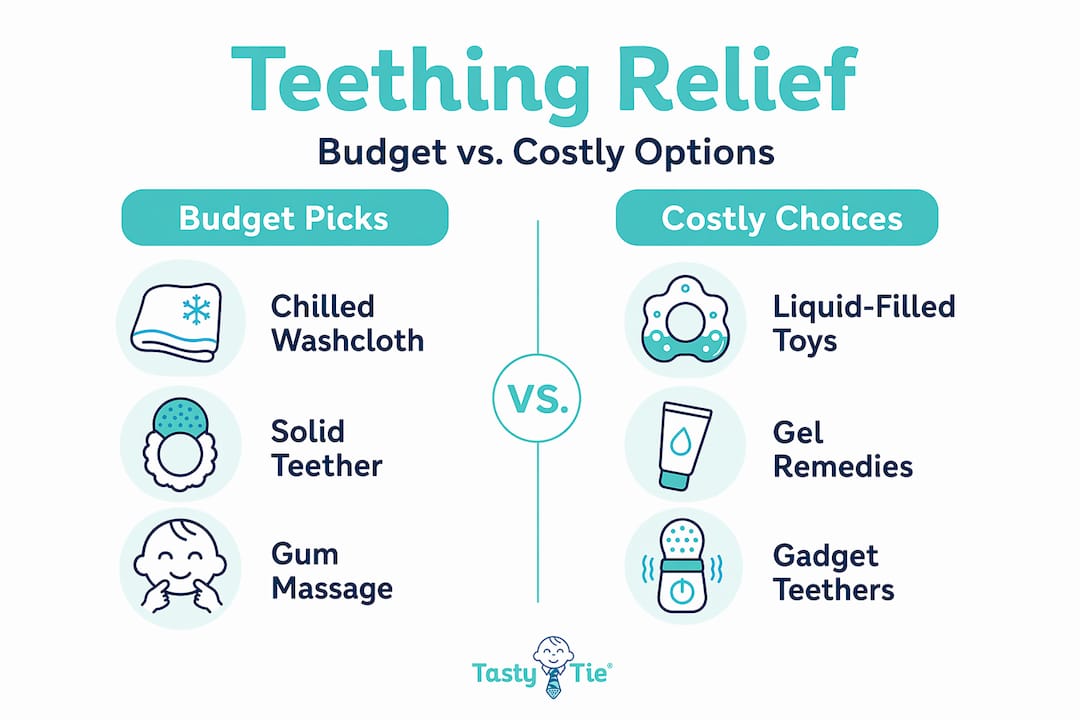
- Clean washcloths: Dampen, fold, and refrigerate them. Chilled washcloths are among the safest and most affordable options available, recommended directly by pediatric hospitals.
- Solid rubber or silicone teethers: Look for one-piece, BPA-free designs without detachable small parts. These minimize choking hazards and are easy to clean.
- Oral syringe: If you ever need to give acetaminophen, a syringe lets you measure precisely. It costs under $2 and prevents dosing errors.
- Mild dish soap and clean storage bags: For washing and storing teethers hygienically between uses.
Pro Tip: Always wash your hands thoroughly before placing any teether in your baby’s mouth or handling gum massage. Bacteria on your hands can transfer easily and cause more discomfort than teething itself.
| Item | Estimated cost | Safety note | Storage tip |
|---|---|---|---|
| Dampened washcloth | $0 (use what you have) | Use clean cloth only, no frozen solid | Refrigerate in a clean zip bag |
| Solid rubber teether | $5 to $12 | BPA-free, one-piece only | Wash after each use, air dry |
| Silicone teether ring | $6 to $15 | No liquid or gel filling | Store in sealed bag in fridge |
| Oral syringe | Under $2 | Use only for measured medication | Clean with soap and water after use |
Avoid liquid-filled teethers entirely. They can break, leak, and create both a choking risk and wasted money. Simple and solid is the smarter choice every time.
Step-by-step natural techniques for soothing teething pain
Natural methods are where you should start. They are free or nearly free, carry minimal risk, and work reliably for most babies. Here is how to use them correctly.
-
Chill a clean washcloth. Dampen a soft washcloth with cool water, fold it into a manageable shape, and refrigerate for 20 to 30 minutes. Hand it to your baby to chew. The cool temperature numbs the gums gently without the dangers of freezing.
-
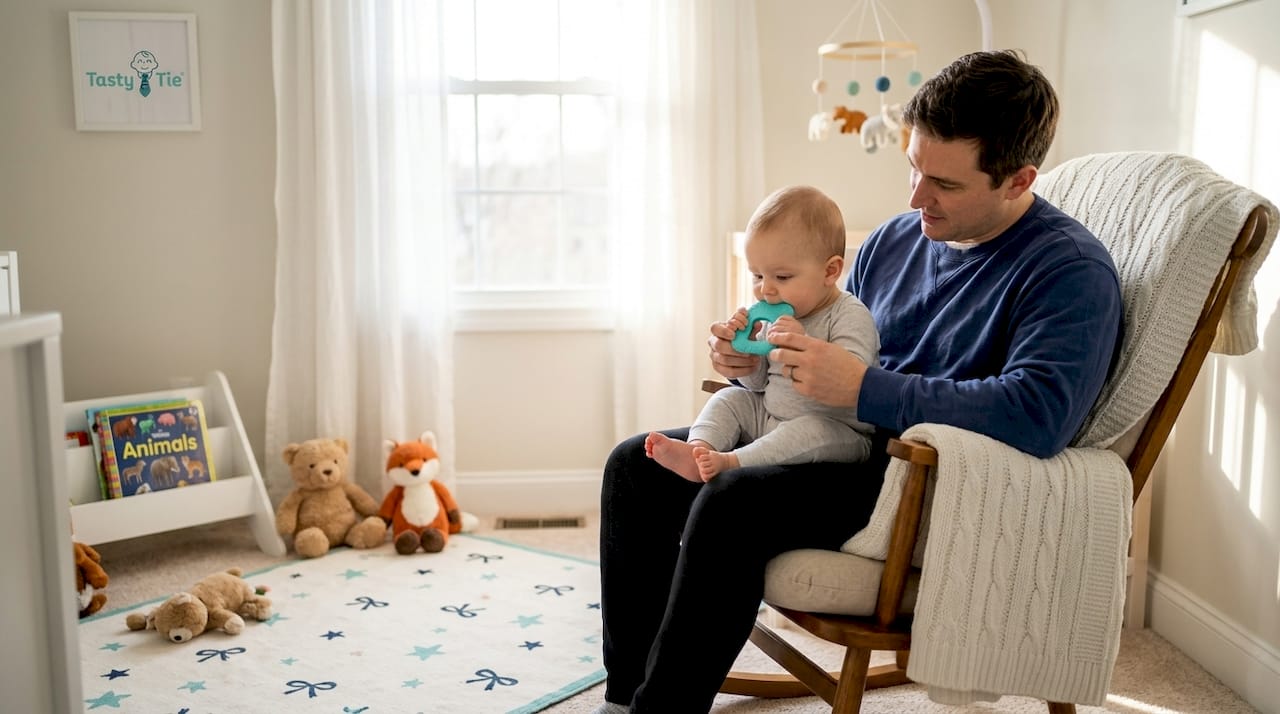
Refrigerate a solid teether, never freeze it. Freezing teething items solid can bruise or injure tender infant gums. A refrigerated teether is cool enough to provide meaningful relief without that risk.
-
Try gentle gum massage. Wash your hands, then use a clean finger to apply gentle pressure to your baby’s gums in small circular motions. Many babies respond well to this within a minute or two. The counter-pressure mimics the sensation of chewing and provides temporary relief.
-
Lean on breastfeeding and cuddling. Do not overlook these. Nursing and extra physical comfort soothe teething pain through emotional security as much as physical sensation. They cost nothing and help your baby regulate stress during a genuinely uncomfortable phase.
-
Rotate your chilled items. Keep two washcloths or teethers in the fridge at a time. Rotating one or two chilled items ensures you always have a ready option while the other cools back down.
Pro Tip: If your baby seems to prefer chewing on your fingers over teethers, that is completely normal. Use it as an opportunity for gum massage before introducing a clean, chilled teether. Babies often accept the teether more readily once their gums have been given a moment of direct pressure.
These techniques cover the vast majority of teething episodes for babies 3 to 12 months old. For more age-specific options, the teething relief guide for 3 to 12 months covers non-medication approaches in detail.
When and how to use OTC pain relief safely
Sometimes natural methods are not enough. When your baby is clearly in significant pain, an over-the-counter option like acetaminophen can help. Using it safely matters more than using it cheaply.
- Follow weight-based dosing. Acetaminophen for infants should never exceed 5 doses in a 24-hour period. Always use the weight-based dosing chart on the package and measure with an oral syringe, never a kitchen spoon.
- Buy store brands. Generic infant acetaminophen contains the same active ingredient as name brands and typically costs 30 to 40 percent less.
- Skip teething gels with benzocaine entirely. The FDA has issued clear warnings: benzocaine in children under 2 carries a risk of methemoglobinemia, a serious blood oxygen condition. No price savings justify that risk.
- Consult your pediatrician first. If you are unsure whether medication is appropriate, call your doctor’s office. Many have nurse lines that answer questions at no cost.
Teething does not cause fever. A true fever signals infection, not teething. If your baby’s temperature reaches 100.4°F or above, contact your pediatrician rather than treating it as a teething symptom.
Common mistakes that waste money and risk safety
Parents shopping for inexpensive teething options often make a few predictable mistakes. Knowing what to avoid saves you both money and worry.
- Buying gel-filled or liquid-filled teethers. These are prone to leaks and breakage. They cost more and create safety hazards, the opposite of what you want.
- Freezing teethers solid. It feels like more cooling power, but hard-frozen items can actually bruise your baby’s sensitive gum tissue. Refrigeration is the right call.
- Using benzocaine gels despite the FDA warnings. Some parents reach for these out of desperation, but medical experts consistently recommend against them for infants.
- Skipping the recall check before purchasing. In 2026, over 102,000 Tiyol teething toys were recalled due to choking hazards. Always check the CPSC recall database before buying any teether, especially from unfamiliar brands.
- Over-medicating out of exhaustion. Teething is tiring for parents too. Stick to the dosing schedule even when you are sleep-deprived, because errors happen most often when caregivers are worn down.
Pro Tip: Label each teether or washcloth with a small sticker indicating when it went into the fridge. Rotating on a simple schedule means you always have a cool option ready, and you never have to guess how long something has been sitting in there.
How to know if your teething approach is working
Setting realistic expectations protects you from unnecessary spending on products that promise more than teething relief actually delivers.
Signs your approach is working include reduced fussiness within a few minutes of introducing a chilled teether, your baby actively chewing and calming down, and improved sleep following a gum massage session. These are good indicators.
Red flags to watch for include persistent crying that does not respond to any comfort method, refusal to eat or drink for more than a few hours, and any fever above 100.4°F. Those situations call for a pediatrician visit, not another teether.
| Approach | Effectiveness | Safety level | Typical cost |
|---|---|---|---|
| Chilled washcloth | High for mild discomfort | Very safe | $0 |
| Refrigerated solid teether | High | Very safe | $5 to $15 |
| Gum massage | Moderate | Safe with clean hands | $0 |
| Infant acetaminophen (store brand) | High for pain and mild fever | Safe with correct dosing | $6 to $10 |
| Benzocaine teething gel | Unreliable | Unsafe for under 2 years | Avoid entirely |
The most cost-effective teething care plan is a rotation of two chilled items plus store-brand acetaminophen reserved for genuinely painful episodes. That setup costs under $20 total and covers most of what babies 3 to 12 months old will need.
My honest take on teething solutions
I’ve watched parents spend real money on gadgets, gels, and “miracle” teethers that underdeliver. What I’ve learned is that the most effective teething solutions are almost always the simplest ones. A refrigerated washcloth consistently outperforms many $30 teether toys.
What concerns me more than budget is safety. The temptation to reach for a benzocaine gel at 2 a.m. is understandable. But the risks are documented and real. Cold pressure works just as well and carries none of those risks. In my opinion, parents who stick to chilled items and proper medication practices spend less, worry less, and get better results.
My practical advice: build a rotation of two solid teethers, keep washcloths in the fridge, and explore self-soothing teething solutions that let your baby take some ownership of their comfort. Babies who can reach and chew a teether independently tend to settle faster. That independence saves your sanity as much as it soothes their gums.
— Tasty
Why Tastytie fits naturally into your teething toolkit
Once you have the basics covered, it is worth knowing about products that genuinely add convenience without adding cost pressure. The Tastytie teething tie is a patented, award-winning teether designed specifically for baby boys aged 3 to 12 months. It clips directly to your baby’s outfit, so it never hits the floor. It is made from GOTS-certified organic cotton, absorbs drool, and crinkles to keep babies engaged and self-soothing on their own. Machine washable and BPA-free, it checks every safety box while staying genuinely affordable.
With over 35,000 units sold and a 4.7-star rating on Amazon, it is a product parents trust. Visit Tastytie to explore the full range, including bundle options that pair a teething tie with an organic bodysuit for a practical, stylish gift that covers both comfort and function.
FAQ
What is the safest budget teething remedy for infants?
Chilled washcloths and refrigerated solid teethers are the safest and most affordable options. Texas Children’s Hospital recommends dampening and refrigerating a clean cloth or firm teether ring to soothe infant gums gently.
Can teething cause a fever?
No. Teething does not cause true fever. A mild temperature rise is possible, but any fever at or above 100.4°F indicates infection and warrants a pediatrician call rather than a teething remedy.
Is it safe to use teething gels on babies under 2?
No. The FDA warns that benzocaine in infants under 2 poses a serious risk of methemoglobinemia. Cold-based relief methods are both safer and comparably effective.
How do I choose a safe, affordable teether?
Look for one-piece, BPA-free silicone or rubber teethers with no detachable parts or liquid fillings. Always check the CPSC recall database before purchasing, especially after the 2026 Tiyol recall that affected over 100,000 units.
How do I give acetaminophen safely to a teething baby?
Use the weight-based dosing chart on the package and always measure with an oral syringe. Never exceed 5 doses in 24 hours, and consult your pediatrician if you have any doubt about whether medication is appropriate.

